Loading...
How to Price Mobile Bartending Services 2025
By The Mobile Bartender14 min read
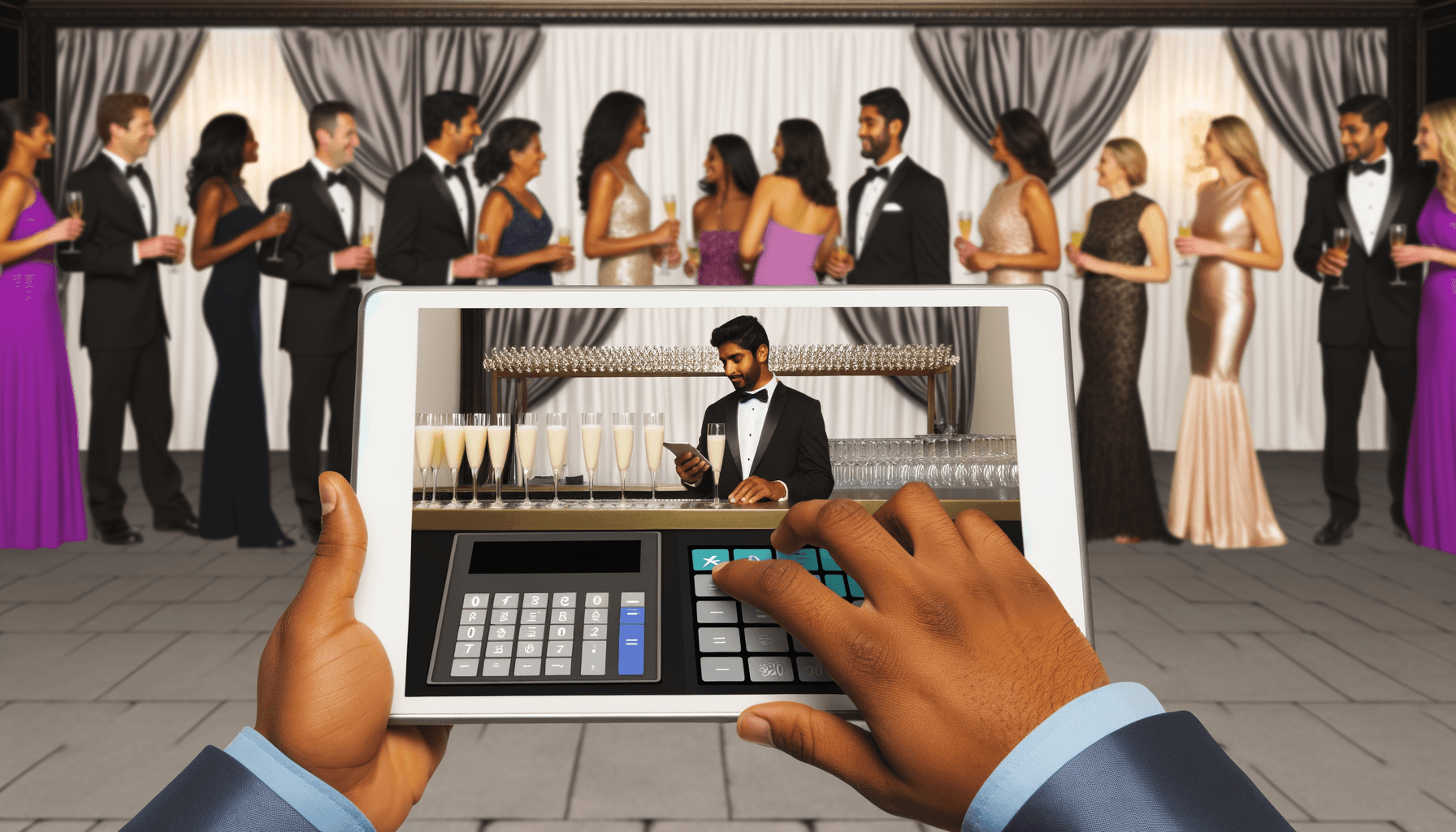
Table of Contents
Join The Speakeasy
Unlock exclusive cocktail recipes, pro techniques, and first access to limited tool drops. Members only.
Introduction
You've got the equipment. You know how to make drinks. Now comes the question that stops a lot of new bartenders: how much should you charge?
Price too low and you undervalue your work. Price too high and you don't get hired. Get it wrong and you'll waste months figuring out the right rate.
Here's what I've learned from talking to bartenders across different markets: there's no single "right" price. But there are proven strategies that work. This guide covers the most common pricing models, market rates by region, and how to structure your quotes so clients say yes.
According to 2024 industry data, mobile bartenders in the US charge between $350-$1,200 for a 3-hour event, depending on location and experience. But that's a wide range. I'm going to show you how to land somewhere in the middle of that range based on your market and experience.
What you'll learn:
- Five pricing models that work
- Current market rates by region
- How to calculate your true hourly rate
- When to charge more (and why)
- How to quote clients confidently
Understanding Your Baseline Costs
Before you set a price, you need to know your actual expenses.
Direct Costs Per Event
- Travel time and gas (if applicable)
- Setup and breakdown time
- Equipment replacement and maintenance
- Insurance (liability insurance for bartenders: $300-600/year)
- Bar supplies (ice, napkins, garnishes, etc.)
Indirect Costs Per Year
- Licenses and certifications (varies by state, usually $100-300)
- Marketing and website (if any)
- Equipment upgrades and replacements
- Continuing education
Here's what most bartenders find: after accounting for setup time, travel, equipment, and supplies, a 3-hour event isn't really 3 hours of work. It's usually 4-5 hours when you include travel, setup, and breakdown.
So if you charge $600 for a 3-hour event, that's really $120-150/hour of actual work time.
Five Pricing Models That Work
Model 1: Hourly Rate
How it works: You charge a flat rate per hour.
Price range: $60-$150/hour depending on experience and market
Pros:
- Simple to understand and quote
- Works well for flexible events (happy hours, ongoing bars)
- Easy to scale if an event runs longer
Cons:
- Penalizes you if you work efficiently
- Harder to quote for events with unknown duration
- Clients sometimes expect discounts for longer events
When to use it: Ongoing events, bar coverage, corporate happy hours, or when you don't know the exact scope of work
Real example: You charge $100/hour. A 3-hour corporate happy hour is $300. A 4-hour event is $400.
Model 2: Per Event (Fixed Rate)
How it works: You charge one flat rate for the entire event, regardless of length (within reason, like 3 hours).
Price range: $400-$800 for 3 hours, depending on experience and market
Pros:
- Clear and easy for clients to budget
- Rewards efficiency
- Industry standard that clients understand
- Easier to scale with drink volume
Cons:
- You need to nail your time estimates
- Events that run long eat into your profit
- Less flexible for varying event sizes
When to use it: Most situations. Weddings, parties, corporate events, private functions.
Real example: You charge $600 for 3 hours. That covers the full event regardless of how many drinks you make.
Model 3: Per Drink
How it works: You charge a flat rate per drink served.
Price range: $4-$12 per drink depending on market and drink complexity
Pros:
- You profit more if you're efficient
- Clear connection between your work and payment
- Works well for high-volume events
- Client pays for actual value delivered
Cons:
- Hard to predict total revenue
- Requires drink counting or tracking
- Clients sometimes feel like they're subsidizing free-pours
- Only works if you know realistic drink volume
When to use it: High-volume events, weddings with open bars, corporate events with clear expectations, private parties with known guest counts.
Real example: You charge $7 per drink. A 100-person party with 60 drinks served = $420. A 50-person party with 30 drinks = $210.
Model 4: Tiered/Package Model
How it works: You offer different packages based on scope.
Examples:
- Basic: $400 (bartender + 3 hours, client provides liquor)
- Premium: $600 (bartender + 3 hours + liquor provided by you)
- Full Service: $800 (bartender + 3 hours + full bar setup including glassware + cleanup)
Pros:
- Clearly shows different value levels
- Clients self-select their budget level
- You can upsell if client wants more
- Reduces confusion in quoting
Cons:
- Takes longer to explain
- Clients sometimes push back if they want custom packages
- Harder to adjust if scope changes
When to use it: You're established enough to offer multiple options. Clients often appreciate having choices.
Real example: You quote three tiers. A client picks the premium option because they want you to handle the full bar.
Model 5: Revenue Share / Percentage Model
How it works: You take a percentage of the total alcohol sales.
Price range: 10-20% of total liquor revenue
Pros:
- You profit if the client makes money
- Works well for venue bars or pop-up situations
- Aligns your incentive with theirs
Cons:
- Unpredictable income
- Requires trust in client accounting
- Hard to budget your own income
- Client might be motivated to serve cheap drinks
When to use it: Rarely, unless you're running a bar for a venue or business partner. Most mobile bartending isn't this model.
Editor's Choice

Five Pricing Models That Work
View on Amazon
PAID LINK
As an Amazon Associate I earn from qualifying purchases
Pros
- Simple to understand and quote
- Works well for flexible events (happy hours, ongoing bars)
- Easy to scale if an event runs longer
- Clear and easy for clients to budget
- Rewards efficiency
- Industry standard that clients understand
- Easier to scale with drink volume
- You profit more if you're efficient
- Clear connection between your work and payment
- Works well for high-volume events
- Client pays for actual value delivered
- Clearly shows different value levels
- Clients self-select their budget level
- You can upsell if client wants more
- Reduces confusion in quoting
- You profit if the client makes money
- Works well for venue bars or pop-up situations
- Aligns your incentive with theirs
Cons
- Penalizes you if you work efficiently
- Harder to quote for events with unknown duration
- Clients sometimes expect discounts for longer events
- You need to nail your time estimates
- Events that run long eat into your profit
- Less flexible for varying event sizes
- Hard to predict total revenue
- Requires drink counting or tracking
- Clients sometimes feel like they're subsidizing free-pours
- Only works if you know realistic drink volume
- Takes longer to explain
- Clients sometimes push back if they want custom packages
- Harder to adjust if scope changes
- Unpredictable income
- Requires trust in client accounting
- Hard to budget your own income
- Client might be motivated to serve cheap drinks
- ---
Note: Prices and availability are accurate as of the date/time indicated and are subject to change. Any price and availability information displayed on Amazon.com at the time of purchase will apply to the purchase of this product. We may earn a commission if you purchase through our affiliate links at no additional cost to you.
Market Rates by Region (2025)
Market rates vary significantly. Here's what bartenders are actually charging:
High-Cost Markets (NYC, LA, San Francisco, Miami, Chicago)
- Entry-level (0-2 years): $400-$550 for 3 hours
- Mid-level (2-5 years): $600-$850 for 3 hours
- Experienced (5+ years): $900-$1,200+ for 3 hours
Mid-Cost Markets (Austin, Denver, Portland, Boston, DC area)
- Entry-level: $300-$400 for 3 hours
- Mid-level: $500-$700 for 3 hours
- Experienced: $800-$1,000 for 3 hours
Lower-Cost Markets (most other cities)
- Entry-level: $250-$350 for 3 hours
- Mid-level: $400-$550 for 3 hours
- Experienced: $600-$800 for 3 hours
Reality check: These are 2025 estimates based on bartender surveys and industry data. Your exact market might vary. The best way to know your market is to ask other bartenders directly or check job postings in your area.
Calculating Your True Hourly Rate
This is important and often overlooked.
Let's say you charge $600 for a 3-hour event in a mid-tier market.
Your math:
- Quoted event time: 3 hours
- Travel time: 0.5 hours (driving there)
- Setup/prep: 1 hour (arrive early, set up bar, review client expectations)
- Event time: 3 hours
- Breakdown/cleanup: 0.5 hours
- Travel home: 0.5 hours
- Total time: 5.5 hours
Your hourly rate: $600 / 5.5 = $109/hour
What you're actually earning: That's $109/hour for work time. Sounds solid, but it doesn't account for:
- Equipment replacement ($200-300/year spread across events)
- Supplies ($10-30/event depending on what you provide)
- Insurance ($300-600/year)
- Marketing time
Your true hourly rate after expenses: probably $85-$95/hour
That's why pricing matters. You need enough margin to cover everything.
When to Charge More
Certain situations justify higher rates:
1. High-End Events
Weddings at luxury venues, high-net-worth clients, exclusive private parties. These clients have budget and expect premium service. Charge 20-30% more.
2. Short Notice Bookings
If someone books you with less than 2 weeks notice, charge more. You're turning down other opportunities and working with limited planning time. Add 15-25%.
3. Weekend/Holiday Events
Friday through Sunday events command premiums. Holidays are even more. Add 10-20%.
4. Complex Drink Requirements
If the client wants custom cocktails or a specific theme, add 10-15%. This requires prep work and creativity.
5. Extended Events
If an event runs 5+ hours, negotiate either a higher hourly rate or a better per-event rate. You're cutting into personal time.
6. Client-Provided Liquor
If the client provides all liquor, your supply costs drop. Keep your rate the same but profit more. If they want you to handle liquor sourcing, charge more.
When You Should Charge Less
Conservative pricing when you're building your business:
1. Building Your Portfolio
Your first 10 gigs, consider 10-15% lower rates. You need testimonials and experience. Once you have reviews, raise prices.
2. Referral Clients
If a past client refers someone, offer a small discount (5-10%) to that referral. It incentivizes them to spread the word.
3. Non-Profit Events
If it's genuinely a non-profit event, consider a discount or flat rate. These rarely have big budgets.
4. Slow Season
In your slow season, lower rates slightly to book gigs. Fill the calendar first; optimize prices later.
Don't undercut yourself too much though. You train clients to expect cheap pricing. It's hard to raise rates once they're set.
How to Quote Clients Confidently
Step 1: Gather Information
- Event date and time
- Expected guest count
- Do they have a venue/bar already set up?
- Will they provide liquor?
- What's their budget?
- What's the vibe (casual, formal, themed)?
Step 2: Calculate Your Quote
Use the pricing model that fits:
- If they're unsure what they need: per-hour or tiered package
- If they know what they want: per-event fixed rate
- If it's high volume: per-drink pricing
Step 3: Write Your Quote
Send them something like this:
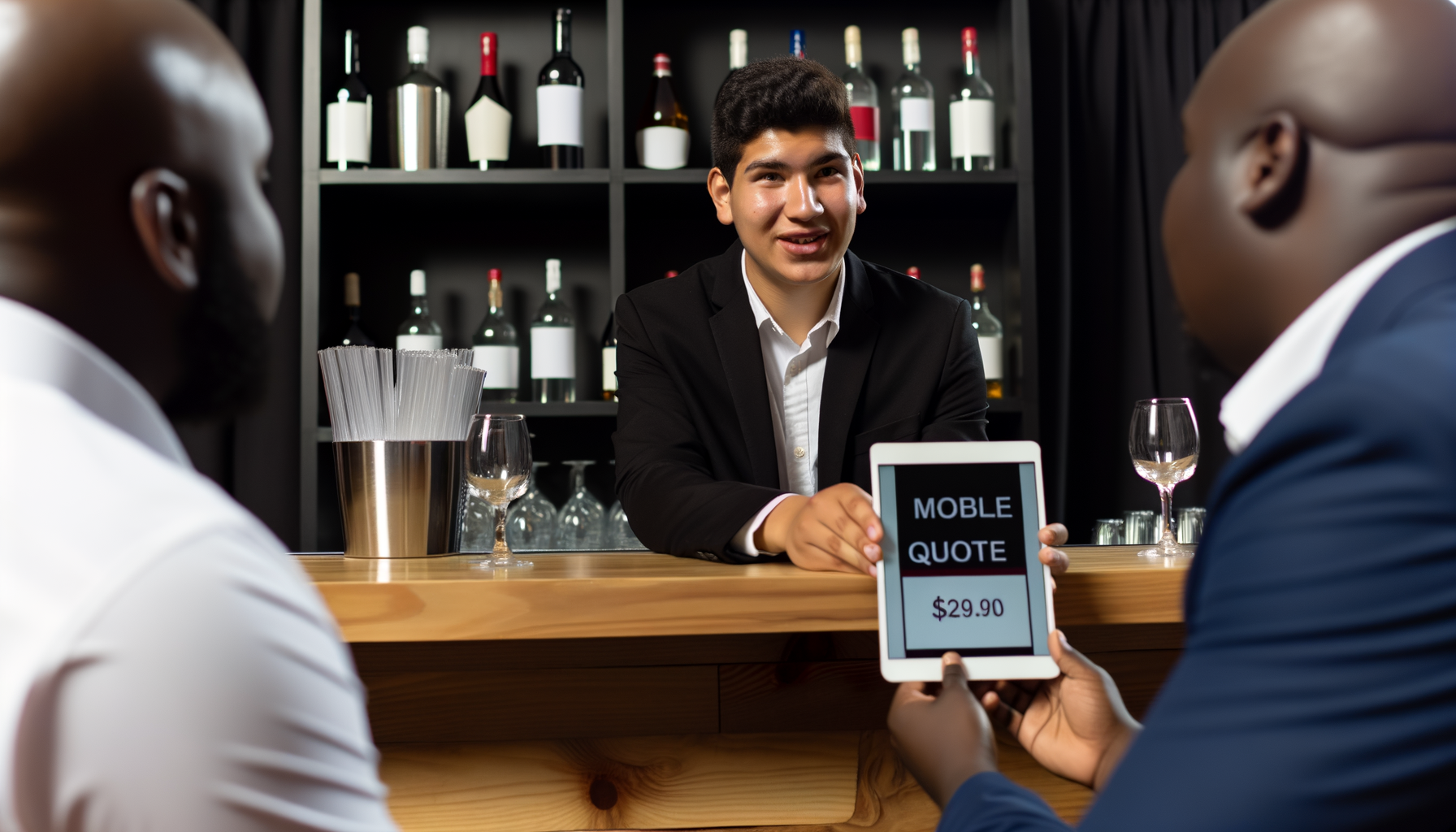
"Thanks for reaching out! Based on your 3-hour event for 75 guests on Saturday, here's my pricing:
Standard Package: $600
- 3-hour bar service
- Professional bartender
- You provide liquor and glassware
Premium Package: $850
- 3-hour bar service
- Professional bartender + bar setup
- I provide a selection of spirits and mixers
- You provide beer and wine
Let me know if you have questions or want to discuss pricing."
Step 4: Justify Your Price
If they push back on price, explain it:
- "That includes setup, bartending, and breakdown."
- "I bring liability insurance and years of experience."
- "That's competitive for this market for an event this size."
Step 5: Stand Firm
Don't drop your price just because they ask. If they can't afford your rate, it's not a good fit. Clients who cheap out on bartending usually cheap out on tips too.
Building Rate Credibility
Talk to other bartenders: Find out what they charge in your market. You want to be competitive but not undercut.

Join bartender groups: Facebook groups, professional associations, local bartender meetups. Get real pricing data.
Check job postings: What do venues and event planners post for bartender rates? That's market data.
Track your pricing and results: Keep notes on what you charged and whether clients booked you. This helps you optimize over time.
Common Pricing Mistakes to Avoid
Mistake 1: Underpricing to win every booking
You'll attract penny-pinchers who don't tip and don't refer. Charge what you're worth.

Mistake 2: Not accounting for setup and travel
Your time isn't just bartending. Include the full hours in your rate calculation.
Mistake 3: Offering too many customizations
Scope creep kills profitability. Package your offering. Extras cost more.
Mistake 4: Discounting constantly
New bartenders do this. It trains clients to expect deals. Instead, build your portfolio, then raise rates.
Mistake 5: Not adjusting for market
High-cost cities command higher rates. Don't charge NYC prices in a smaller market or vice versa.
Mistake 6: Forgetting to account for equipment and insurance
These costs are real. Build them into your pricing or you'll lose money long-term.
Internal Links
- Essential Bar Equipment for Mobile Bartending Under $500
- Best Portable Cocktail Shakers for Travel 2025 Review
- How to Choose the Best Cocktail Shaker
- Starting a Mobile Bartending Business
- 10 Must-Have Bartending Tools
Frequently Asked Questions
What's the average mobile bartending rate in 2025?
Most mobile bartenders in mid-tier markets charge $400-$700 for a 3-hour event. High-cost markets go $600-$1,200. Lower-cost markets run $250-$400. Experience and reputation push rates higher.

Should I charge differently for different drink types?
Not usually. Charge per event or per hour, not per drink complexity. A margarita and a martini take similar time and skill. Charge the same regardless.
Can I charge more if the client provides liquor versus if I do?
You could theoretically charge less if they provide liquor (lower your supply cost), but most bartenders charge the same. The service is the same regardless. Instead, use this as a selling point in your Premium package where you do provide liquor.
How do I handle clients who say their friend got a cheaper rate?
Politely: "That's great for them. My rates reflect my experience and insurance. I charge X for this market. If that doesn't fit your budget, I'd recommend checking with newer bartenders." Don't match low prices from less experienced bartenders.
Is it okay to raise rates after I'm established?
Yes. Tell regular clients you're adjusting rates as you build experience. New clients pay the new rate. Give existing clients a grace period or loyalty rate if they're regular clients.
What if I'm competing against cheaper bartenders?
Don't compete on price. Compete on quality, reliability, and experience. Get testimonials. Show what sets you apart. Clients who only care about price are probably not good clients anyway.
Should I charge extra for theme events or custom cocktails?
Yes, but build it into packages. "Custom cocktail development: +$50" or "Themed event coordination: +$75." Make the extra charges clear upfront.
The Bottom Line
Price yourself based on:
- Your experience and skill level
- Your market's going rates
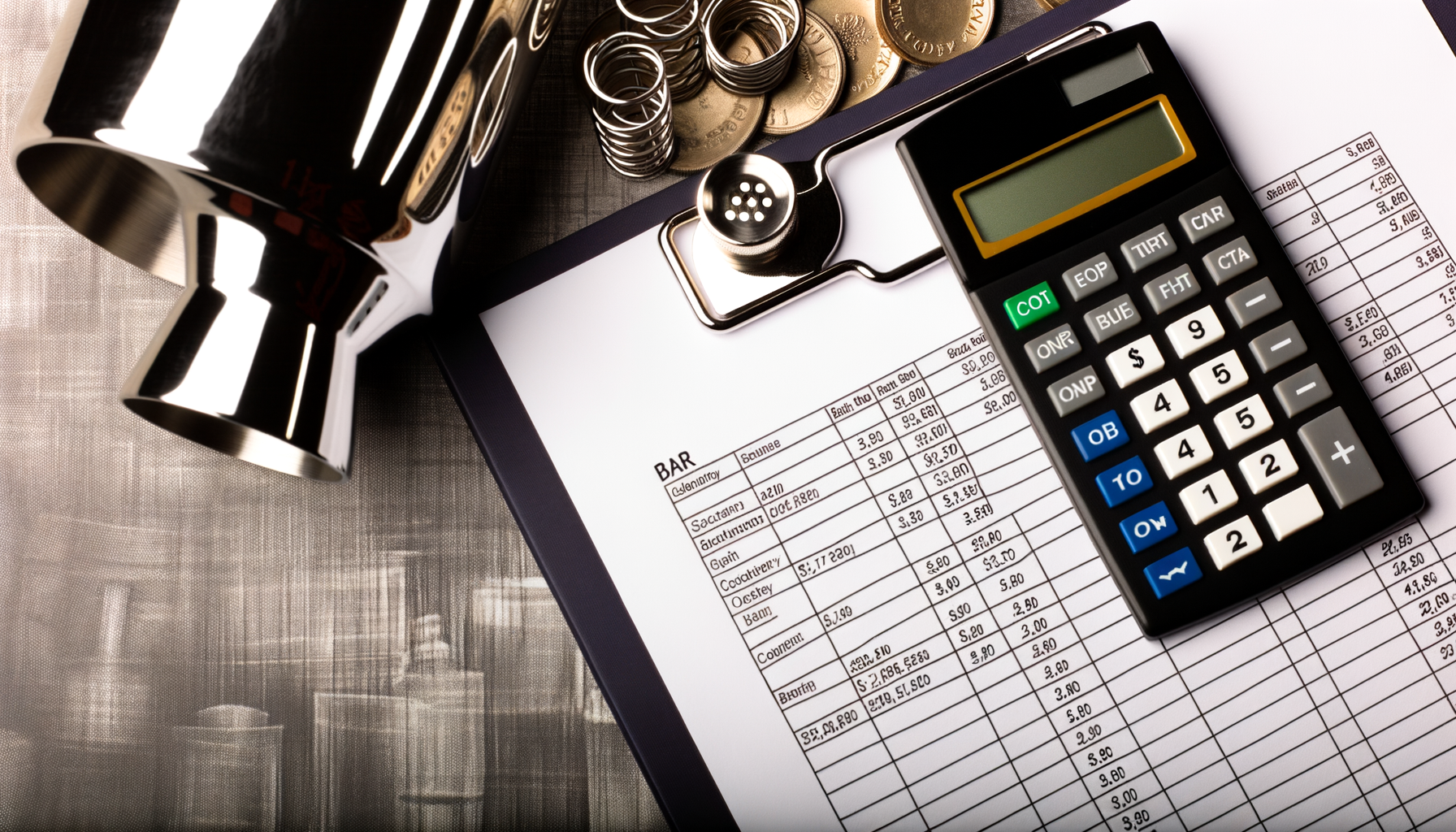
- Your actual costs and time
- The value you deliver
Start reasonable, build your reputation, then raise rates as demand increases. Don't undervalue your work trying to get every gig. Focus on quality gigs with clients who respect your expertise.
You're not selling hours. You're selling skill, reliability, and an experience. Price accordingly.
External Links
- Small Business Administration: Pricing Strategies
- Bureau of Labor Statistics: Bartender Wages
- Bartender Industry Report 2024
- How to Calculate Your Hourly Rate - Business Guide
Word Count: 2,096 Category: Mobile Bartending Business Tags: bartending, pricing, business, mobile bartending, rates
Disclosure: As an Amazon Associate, I earn from qualifying purchases. This means if you click on an affiliate link and make a purchase, I may receive a small commission at no extra cost to you. This helps support the blog and allows me to continue providing free content. All opinions and recommendations are my own.
Join The Speakeasy
Unlock exclusive cocktail recipes, pro techniques, and first access to limited tool drops. Members only.
About The Mobile Bartender
Expert guides and reviews for mobile bartenders. We test products, share honest reviews, and help you launch and grow your mobile cocktail business.
You Might Also Like
Found this helpful? Share it with others who might benefit.